EnvalyxPrecision upcycling

Enzymatic upcycling for complex industrial polymers

We develop enzyme systems for hard-to-recycle polyamides, polyurethane, multilayer films, and tire rubber.

What Envalyx does

Develop evidence around the actual feedstock

Envalyx develops computational and enzymatic pathways for difficult industrial polymers, scoped around material composition, target outputs, and the partner's next technical decision.

Approach

Feedstock-specific design

Characterize the material before selecting and engineering candidate enzyme systems.

Development program

Computational and experimental

Combine candidate design, controlled testing, and analytical review around partner criteria.

Decision outcome

Evidence for the next step

Define feasibility boundaries, technical priorities, and the next development stage.

Development areas

Priority material streams

Explore the pathways
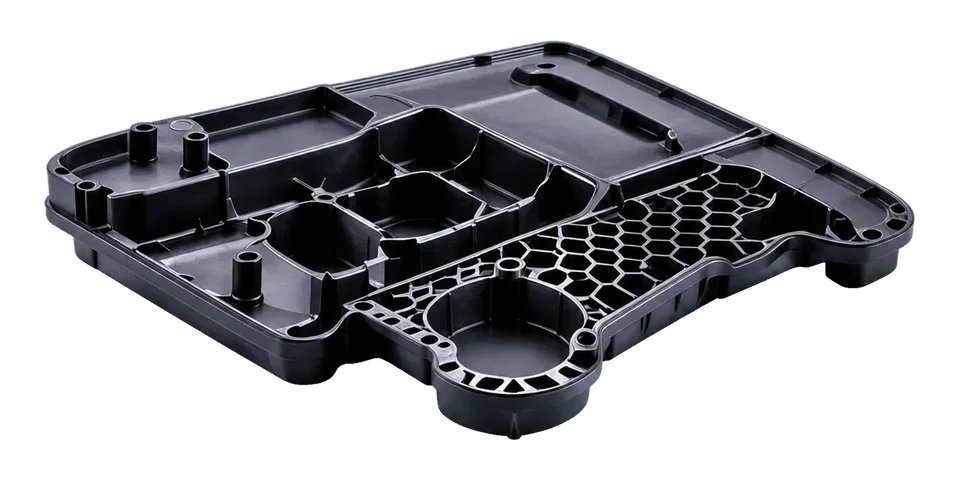
Black injection-moulded technical-plastic component

PA-6/PA-66

Technical textiles, automotive components, and e-waste housings.

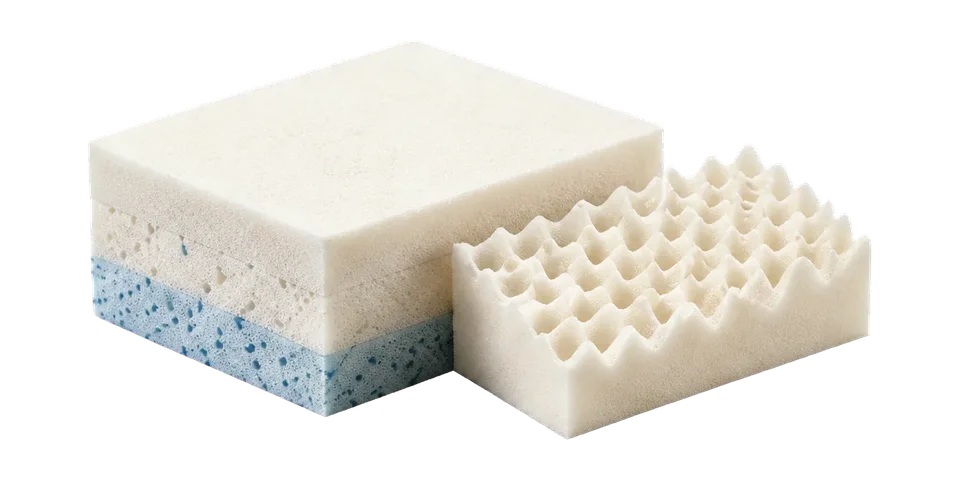
Rigid and open-cell polyurethane foam samples

Polyurethane foams

Mattresses, appliance foams, and flexible manufacturing scrap.

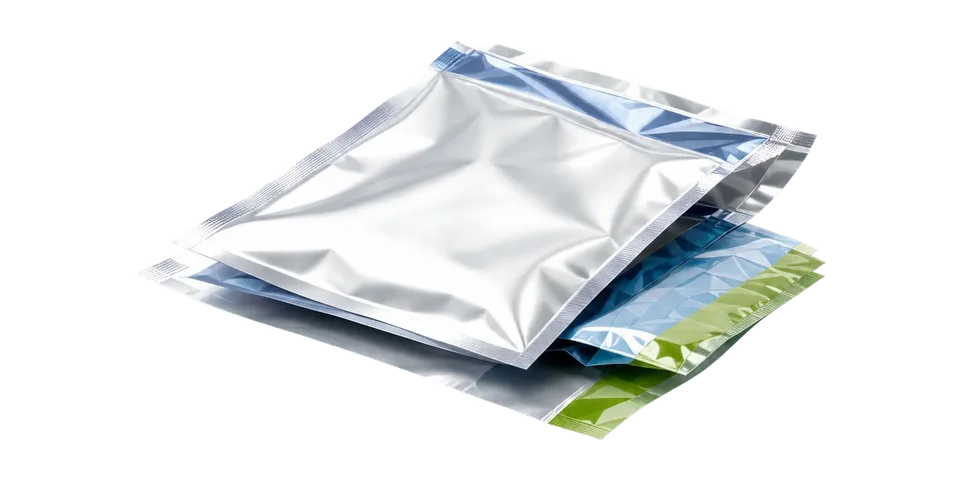
Stack of reflective multilayer packaging films

Multilayer films

Barrier films, pouches, and complex packaging.

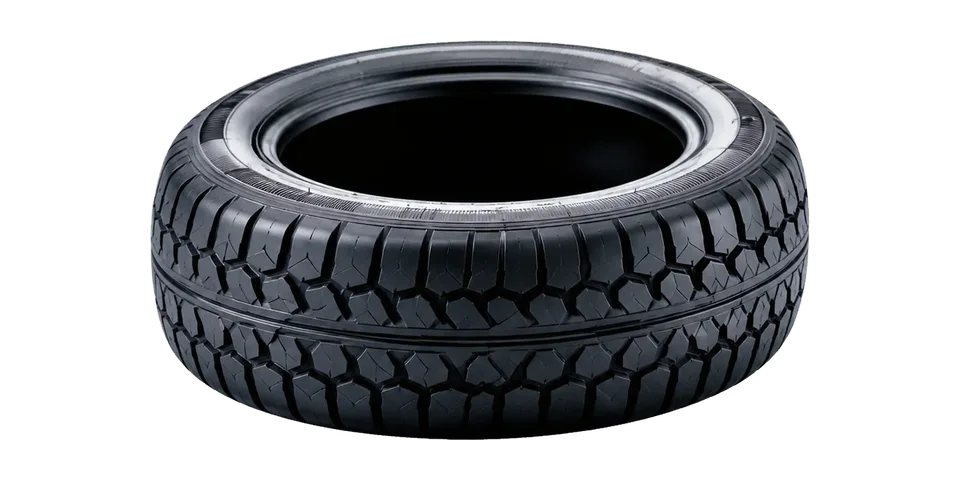
Black automotive tire showing rubber tread and sidewall

Tire rubber & elastomers

Tire crumb, rubber-rich fractions, and elastomeric industrial scrap.

The challenge

Why difficult feedstocks need a tailored route

Mechanical routes

Reprocessing can be constrained by reinforcement, mixed layers, and prior thermal history.

Chemical routes

Separation, solvent, and energy demands must be evaluated for each feedstock.

Single-enzyme approaches

Complex materials may require coordinated enzyme and separation steps.

Partner workflow

From feedstock to a defined technical decision

Each program links partner inputs to a controlled development sequence and an explicit decision point.

View the technology
Conceptual process overviewMaterial input to target-output assessment
Envalyx process overview showing complex polymer feedstocks, enzyme-enabled process development, and recovered chemical outputs
  1. 01

    Characterize

    Input
    Feedstock sample, composition, and constraints
    Output
    Analytical baseline and material profile
  2. 02

    Design

    Input
    Target outputs and operating requirements
    Output
    Candidate enzyme systems and test plan
  3. 03

    Validate

    Input
    Material samples and agreed analytical criteria
    Output
    Controlled experimental evidence
  4. 04

    Decide

    Input
    Results and partner priorities
    Output
    Feasibility boundaries and recommended next step

Program definition

What a partner program is designed to establish

The purpose is to create a defensible technical basis for the next development decision, with the scope and criteria agreed before experimental work begins.

Partner input

The material and technical question

Feedstock samples, composition information, current handling route, target outputs, and operating constraints.

Envalyx work

A scoped development program

Feedstock characterization, computational enzyme-system design, controlled experiments, and analytical review.

Decision package

A defined basis for the next stage

Results, feasibility boundaries, technical priorities, and a recommended next development step.

External recognition

Programs, networks, and regional visibility

Envalyx is building its development ecosystem through biotechnology programs, computational infrastructure, industrial networks, and regional support.

Programs & networks

  • NVIDIA Inception
  • Lambda
  • Nebius
  • Planet B.io
  • Biotech Booster
  • Werkstoffforum der Zukunft
  • RBW StartRaum GL

In the press

RBW's StartRaum GL series profiles Envalyx.

Read the profile

Partner development

Bring us the material and the technical question

Share your feedstock, target outputs, and technical constraints. We will assess whether a focused development program is appropriate.